
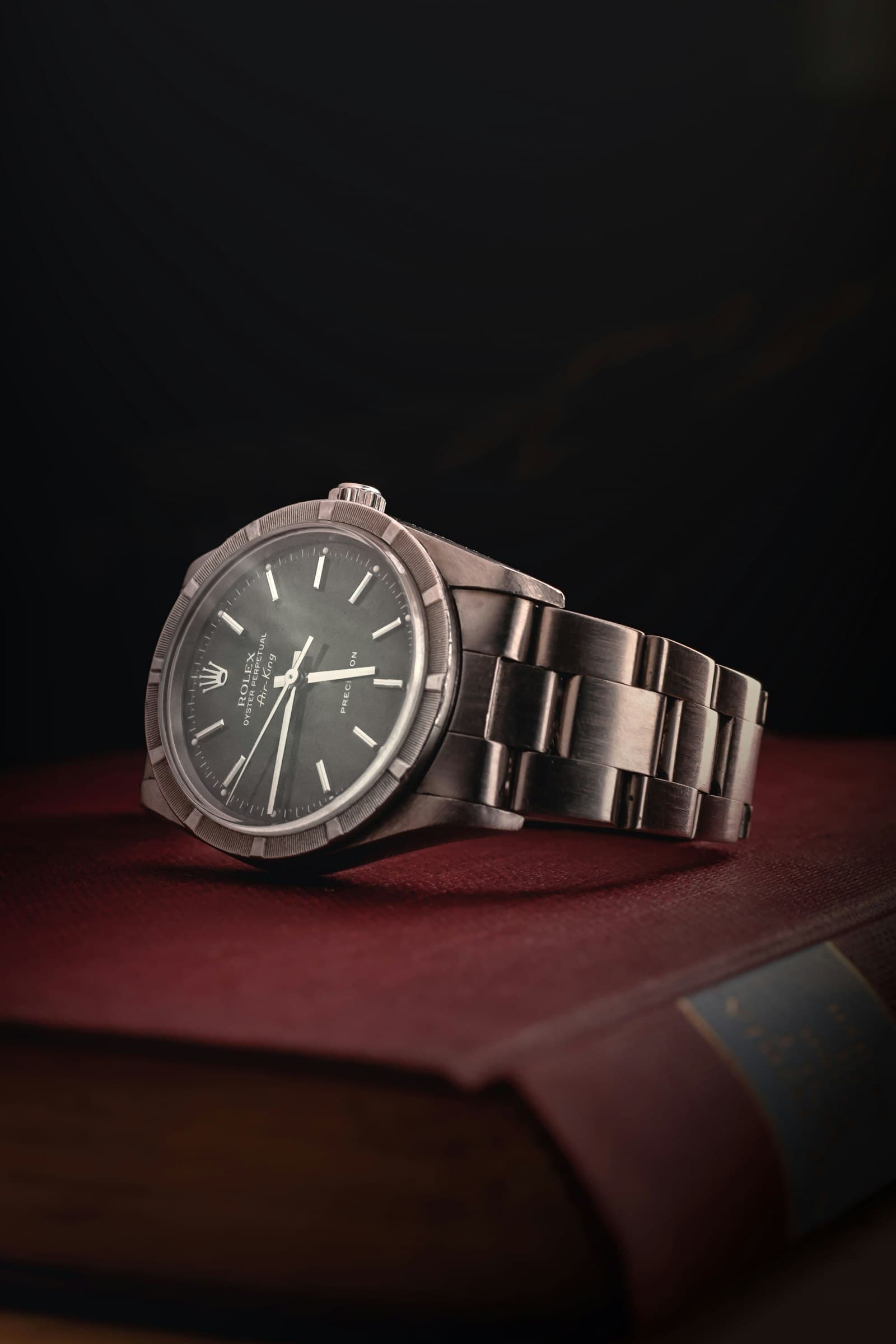
How to buy a watch at ChronoBid online auctions
Buying a watch at ChronoBid is an online timed auction in Australian dollars. Register, read the catalogue, include the buyer’s premium in your limit, then bid.
Quick answer
Create an account, open a live or upcoming lot, check photos and fees, set a max hammer that still works after the published buyer’s premium, place your bid, and if you win, settle in AUD then arrange collection or shipping.
Step-by-step
Step 1
Register to bid
Create an account from Register to Bid in the header. Use accurate contact details. Those details are used for invoices if you win.
What goes wrong: Waiting until the last minute to register is how people miss a lot they meant to chase. Set the account up before the countdown gets tight.
Step 2
Read the lot like a condition report
Open the lot page. Check reference, year, condition notes, provenance, and every photo. Ask ChronoBid if a detail matters and the catalogue does not provide this information.
What goes wrong: Bidding from the thumbnail alone. Pre-owned watches can have replaced parts, polished cases, or incomplete papers. The lot text is the contract you are bidding against.
Step 3
Price in the buyer’s premium
Look at current bid, buyer’s premium percentage, and estimated total before shipping in AUD. Open Auction Fees for the full schedule.
What goes wrong: Treating the hammer as your invoice. Australian auction houses charge a premium on top. ChronoBid shows the math on the lot so you see it before you click.
Step 4
Place your bid
Enter at least the next minimum bid. Monitor the auction countdown. The closing time is fixed; bids do not extend the clock.
What goes wrong: Ignoring the countdown and assuming staff will reopen a closed lot. When the clock hits zero, bidding stops.
Step 5
Pay, then collect or ship
If you win, a 5% deposit on the hammer is charged to your card. Transfer the remaining balance (hammer + 7.5% buyer’s premium − deposit), then arrange collection or shipping from Payment and Delivery.
What goes wrong: Ignoring storage deadlines. Delayed collection can attract storage fees once those rates are published.
Common mistakes
- Ignoring GST treatment until invoice day. Check Auction Fees for GST notes.
- Skipping Buyer Protection until something goes wrong. Read it while you still have options.
- Assuming a blank field means the watch is perfect. If the catalogue does not provide this information, treat the point as unknown.
Read what a buyer's premium means, the full Auction Fees schedule, and Buyer Protection before you bid.